
Solar energy for your home: produce it, store it, monitor it.
Novoltica supplies photovoltaic panels, storage batteries, complete kits, solar hot water and energy monitoring from your phone, for homes, smallholdings and small businesses. We size the system around your consumption, not around a standard package.
We work in Bacău, Neamț, Bucharest, Ilfov and Suceava.
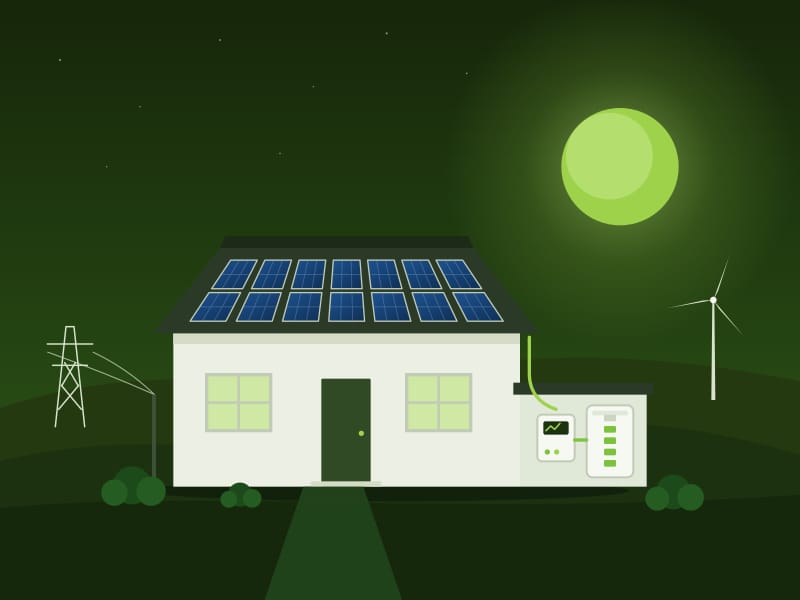
What Novoltica offers
Solutions matched to your consumption
We start from your bills and your habits, not from an off-the-shelf package.
Current equipment
Monocrystalline panels, hybrid inverters and lithium batteries, chosen for what each project needs.
Useful monitoring
You see output, consumption and battery state in an app, wherever the equipment allows it.
Advice before you buy
We explain the options and their limits before you receive a quote.
Solutions for your home’s energy
Each solution has a page explaining how it works, what affects the outcome and what we establish before a quote.
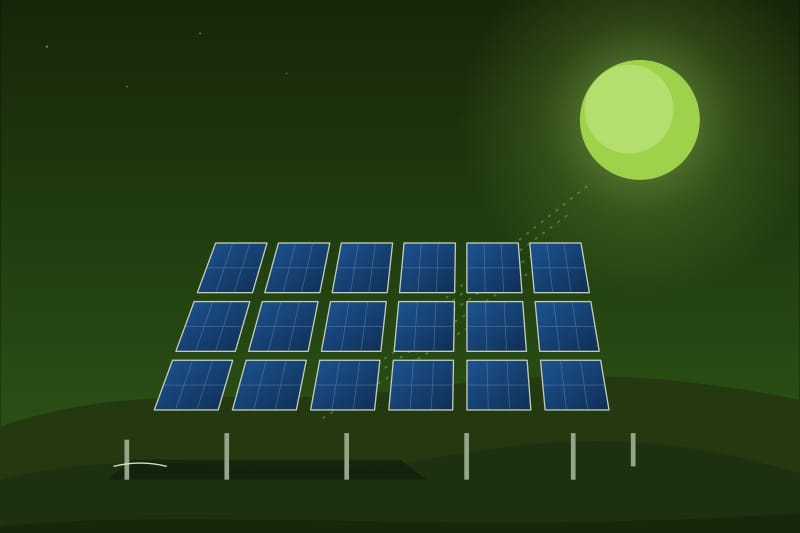
Photovoltaic panels
Monocrystalline panels for houses, smallholdings and small firms, sized around what you actually use.
See the solution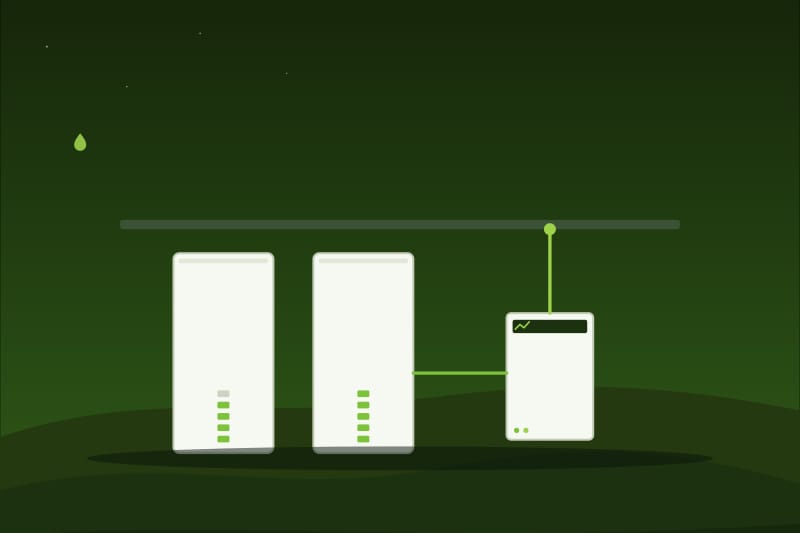
Energy storage batteries
Batteries for evening consumption, higher self-consumption and a reserve during power cuts.
See the solution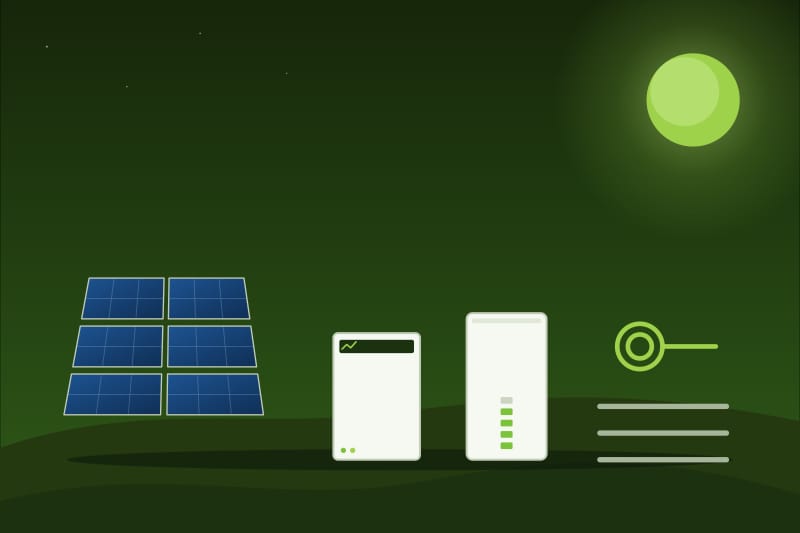
Photovoltaic kits
Complete packages: panels, inverter, mounting structure, protection devices and monitoring.
See the solution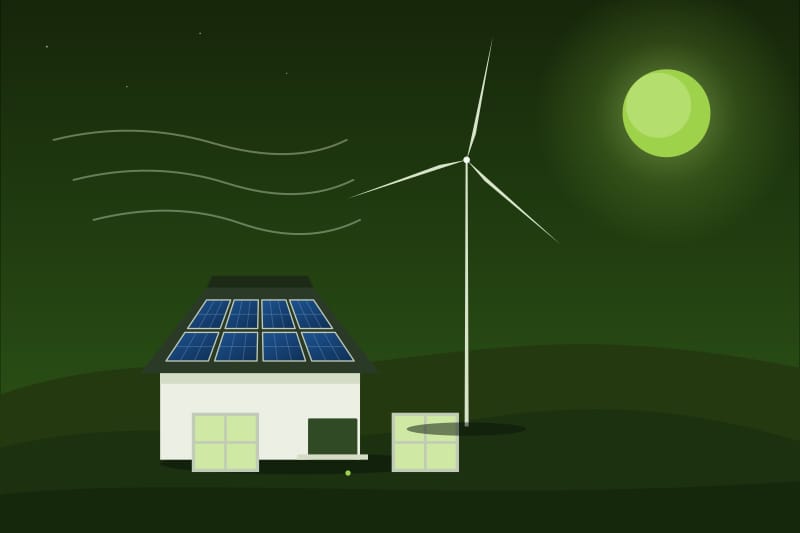
Residential wind turbines
Small turbines for houses and smallholdings, only after the wind at the site has been assessed.
See the solution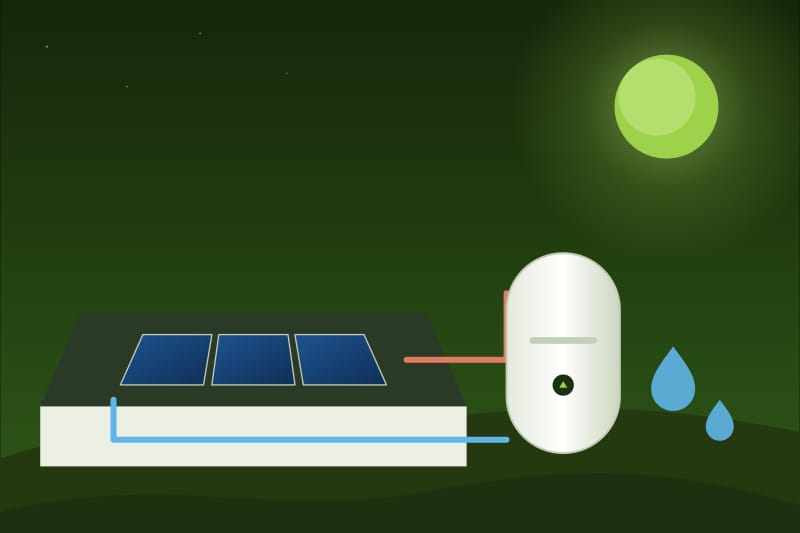
Solar hot water systems
Solar thermal collectors and a solar cylinder for domestic hot water.
See the solution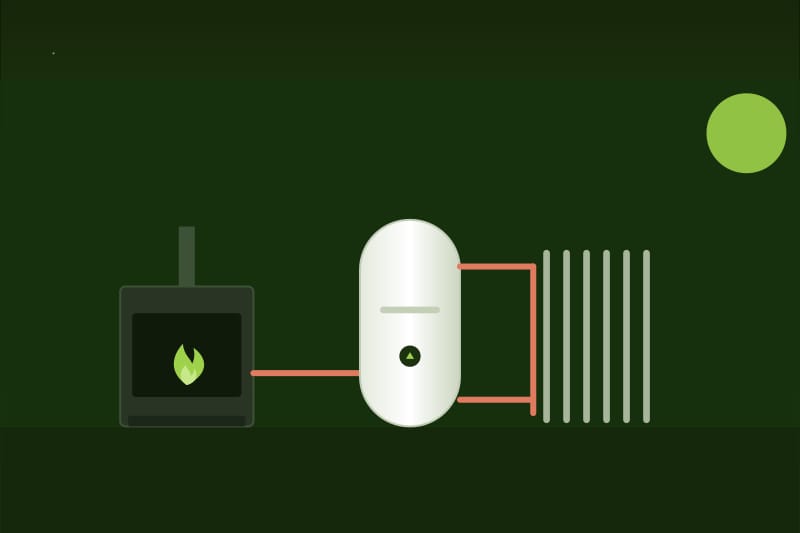
Fireplace with a heat exchanger
A fireplace or stove with a water jacket, connected to radiators, a buffer tank and hot water.
See the solution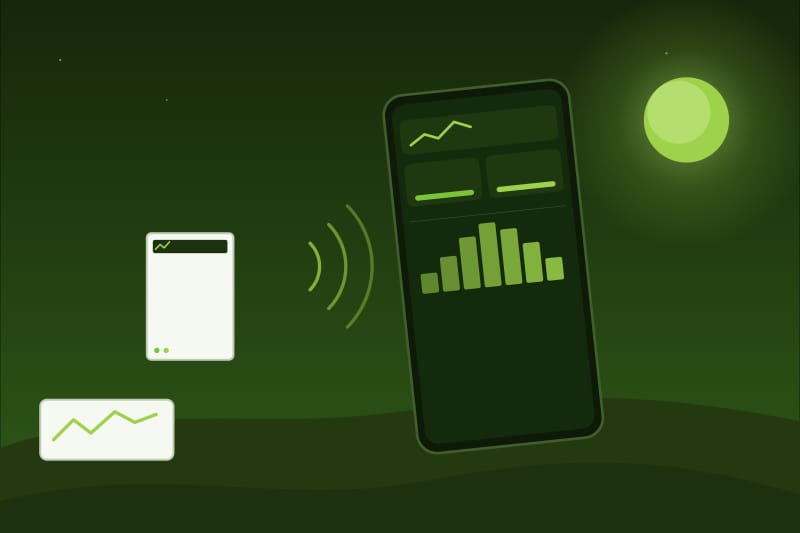
Energy monitoring from your phone
Output, consumption, the battery and exchange with the grid, followed from an app.
See the solutionSee also: hybrid solar systems, systems with batteries, energy independence.
How energy moves through an ordinary day
A photovoltaic system produces most around midday, while the house uses most in the morning and the evening. The battery and the grid cover the difference. The chart shows that logic, on a clear spring or autumn day.
- Solar energy used directly
- From the battery
- From the grid
- Solar surplus
- Household consumption
During the day
The panels supply the house. The surplus charges the battery and, if the installation is configured for it, the rest can go to the grid.
In the evening
The house draws on the battery, within its capacity. Without a battery, evening consumption comes from the grid.
At night and on sunless days
The remaining difference is taken from the grid. That is why we talk about reducing dependence on the grid, not about giving it up.
An illustrative diagram, not a measurement. Real output and consumption depend on the season, orientation, equipment and habits.
How we work, step by step
We look at your consumption
We start from last year’s bills, from the significant appliances and from the household’s routine.
We size the solution
We set the panel output and, where relevant, the battery capacity, according to the space available.
We choose the configuration
We compare the possible options: panels only, panels with a battery, a hybrid system, or a combination with solar hot water.
You receive the quote
The quote lists the components and the assumptions behind the calculation, so you can compare it with other offers.
We supply the solution
How exactly it is supplied and commissioned is set out in the quote, according to the project.
You monitor the energy
You follow output and consumption in the app and adjust your habits or the system settings.
The system, in short
Sunlight reaches the panels, the inverter turns direct current into alternating current, and the house uses it directly. The battery and the grid make up the difference, in both directions.
Sunny day: the panels supply the house, the surplus charges the battery and, if the installation is configured for it, can go to the grid.
See how the flows change during the day, in the evening and during a grid outage on the page about hybrid systems.
Kits for different situations
A photovoltaic kit groups the components you need into a ready-defined configuration. The choice starts from your situation.
Each type is described on the page about photovoltaic kits.
Why Novoltica
Honest sizing
Sometimes the best recommendation is a smaller system, or monitoring alone. We say so.
All the household’s energy, in one conversation
Electricity, storage, hot water, heating and monitoring are thought through together, not as separate products.
Explanations without jargon
Every technical term is explained on the site and in the quote, so that you can decide with the facts in front of you.
Limits stated plainly
We do not promise fixed savings and we do not promise total independence. We present ranges and assumptions.
Attention to your location
Terrain, snow, shading and the type of roof all matter. That is why we have pages for the areas we work in.
Where we work
We are starting with five areas: Bacău, Neamț, Bucharest, Ilfov and Suceava. Each has a page on what matters locally, and the main towns have pages of their own, with their particular features. We do not present branches where none exist; we work project by project and agree the concrete steps together.
- Bacău CountyBacău, Onești, Moinești, Comănești, Buhuși, Târgu Ocna and Dărmănești.
- BucharestHouses, yards and small commercial spaces in the capital.
- Ilfov CountyVoluntari, Pantelimon, Otopeni, Pipera, Bragadiru, Chitila and Buftea.
- Suceava CountySuceava, Fălticeni, Rădăuți, Câmpulung Moldovenesc, Gura Humorului and Vatra Dornei.
- Neamț CountyPiatra Neamț, Roman, Târgu Neamț and Bicaz.
Somewhere else? Write to us with the name of your town and we will tell you what we can do. Write to us.
Before you decide: useful reading
Short answers to the questions we hear most often.
How does a photovoltaic system work?
From the panel to the socket: the components of a home photovoltaic system and the path the energy takes.
Which battery is right for a home?
Six questions that help you choose a battery for your photovoltaic system before you start comparing figures.
How much does a photovoltaic system produce?
How annual output is estimated and what changes it: orientation, shading, season and equipment.
More articles
Frequently asked questions
Do I need a battery?
Not always. Without a battery, the system supplies the house during the day and, if it is configured for it, sends the surplus to the grid. A battery makes sense if you want to use your own energy in the evening, or to have a reserve during outages. Details on the page about battery storage.
How many photovoltaic panels do I need?
It depends on annual consumption, on the orientation and shading of the roof, and on how much of your consumption you want to cover. There is no number that holds for everyone; you can start with the indicative estimate, and the final figure is set after an analysis.
What happens when there is no sun?
The panels produce less in cloudy weather and almost nothing at night. The house then uses energy from the battery, if there is one, or from the grid. See how the components fit together on the page about hybrid systems.
Can I monitor output from my phone?
Yes, with most current inverters and monitoring systems. You can see output, consumption and battery state, depending on the equipment. See energy monitoring.
Which areas do you work in?
We concentrate on Bacău, Neamț, Bucharest, Ilfov and Suceava. If you are elsewhere, write to us and we will tell you what we can do. See the areas we serve.
More answers on the FAQ.
Tell us what you use. We will suggest a solution.
A recent bill and the name of your town are enough. We clear up the rest of the questions together.